Start with a question
Why does Venus hide its surface? What makes Saturn’s rings look different as you orbit? Why is some of a moon’s surface still unknown? Argus pairs interactive views with Learn & data panels so the visual experience leads into evidence, history and open questions.
Explore all eight planets, Earth’s Moon, other mapped moons, the Sun, selected asteroids, interstellar visitors and the ISS. Each destination has a different level of observational coverage. A spacecraft mosaic, an elevation model and an illustrative surface are different kinds of information.
A first tour
- Start with Mars. Visit a landmark, then return to Whole world to understand its scale.
- Compare Mars with Venus. Look for the distinction between optical imagery and radar.
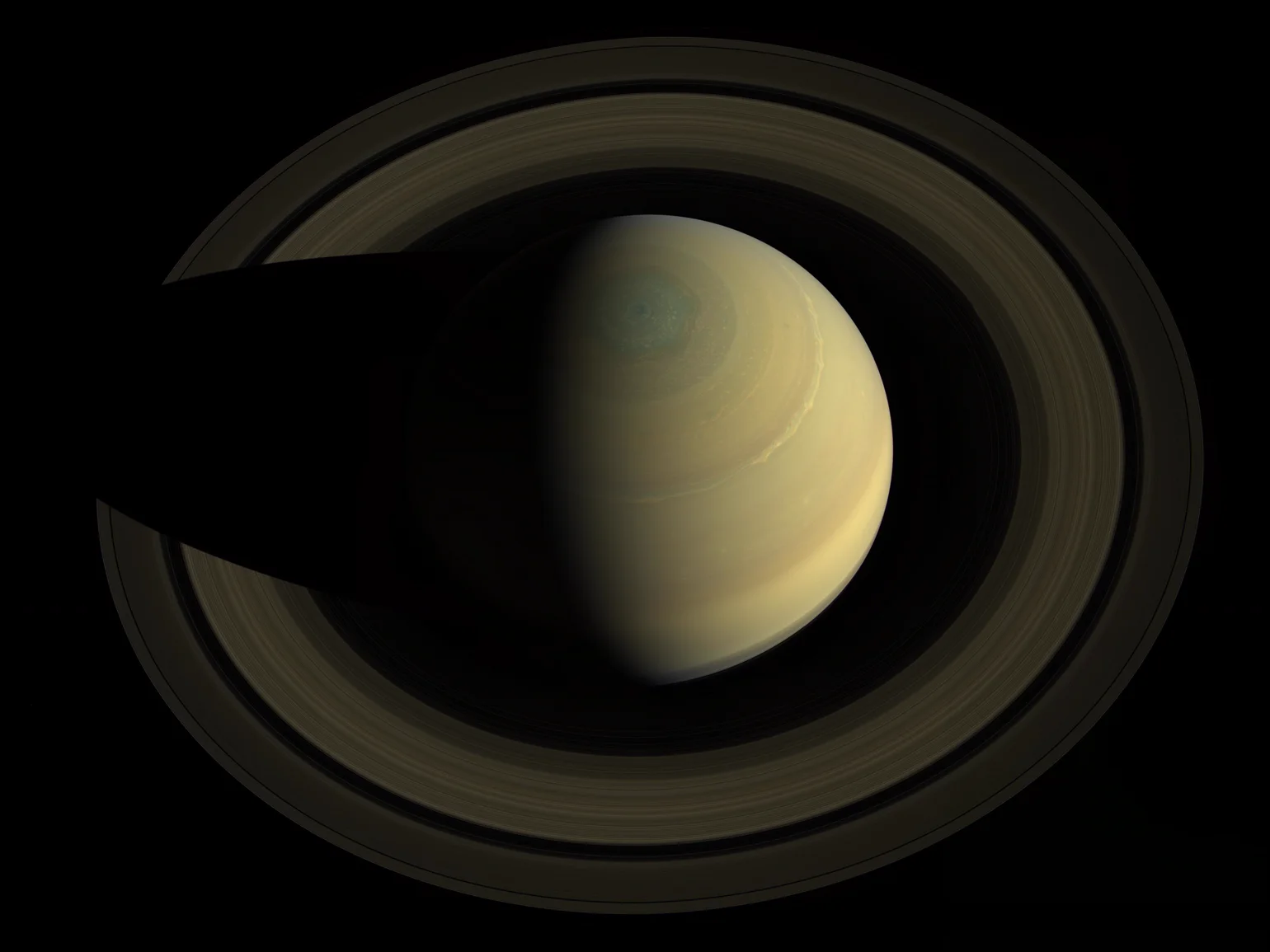
- Visit Jupiter and Saturn, then choose a moon from the moons selector.
- Open Learn & data and check a source before taking the planet quiz.
Choose how to look
Inspection lighting keeps a destination readable while you explore. Sunlight shows the illuminated side for the selected time. Cinematic presentation emphasizes the view; scientific questions are best answered by checking the mapping notes, coverage display and measurements.
The fast-travel transition is a way to navigate the app. It is not a spacecraft trajectory or a solar-system scale model. Use the science labs for explicitly described experiments with gravity, orbit and signal delay.
Read the sources
Scientific sources provide context. Argus is an independent project; a source link does not imply endorsement.